
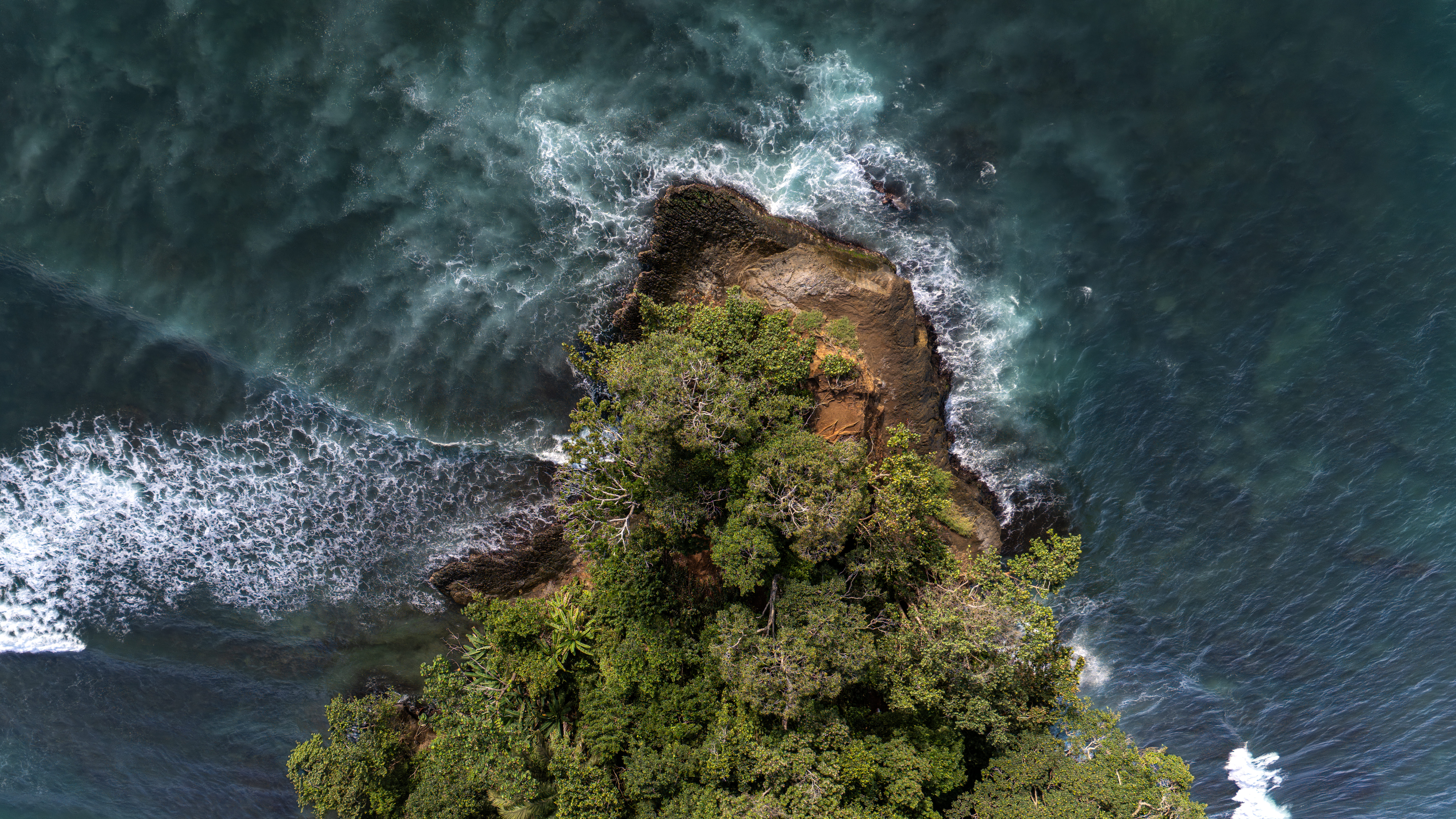
Punta Uva: What You Hear on the Only Costa Rican Beach Among the World's 50 Best
In 2025 it entered The World's 50 Best Beaches ranking at number 41. We traveled to the South Caribbean to find out why — and the answer isn't its hotels, it's what you hear.
There is a difference between beaches you photograph and beaches you listen to. Playa Punta Uva, on Costa Rica's South Caribbean coast, belongs firmly to the second group. And that — quite literally — is what landed it on a global list.
In 2025 it was the only Costa Rican beach to appear in The World's 50 Best Beaches ranking.1 It didn't make the cut from the Pacific, where most of the country's tourism infrastructure is concentrated, but from the province of Limón, on a Caribbean coast that tends to sit outside the mass-tourism circuits.
What set it apart wasn't the color of the water or the sand. It was what you don't hear:
The only thing you will hear are the sounds of the ocean and nature.
A ranking to read with nuance
Let's be clear: The World's 50 Best Beaches is not an objective measurement. It's a list built from the votes of a panel of more than a thousand people connected to travel and tourism.1 Like any voted ranking, it reflects aggregated perceptions rather than a measurable yardstick. Punta Uva sitting at number 41 doesn't make it "better" than any other beach in a verifiable sense; it makes it recognized, by a broad pool of voters and through their own methodology.
Still, the recognition matters. It's the first time a Costa Rican beach has entered this list, and the stated reason — the sound, the absence of artificial noise — points to something you can in fact verify simply by standing on the sand.
Three days of listening
We went to the South Caribbean with a modest, concrete goal: to stop and listen. Not to chase the perfect photo, but to understand what that sound — the one an international panel decided to celebrate — is actually made of.
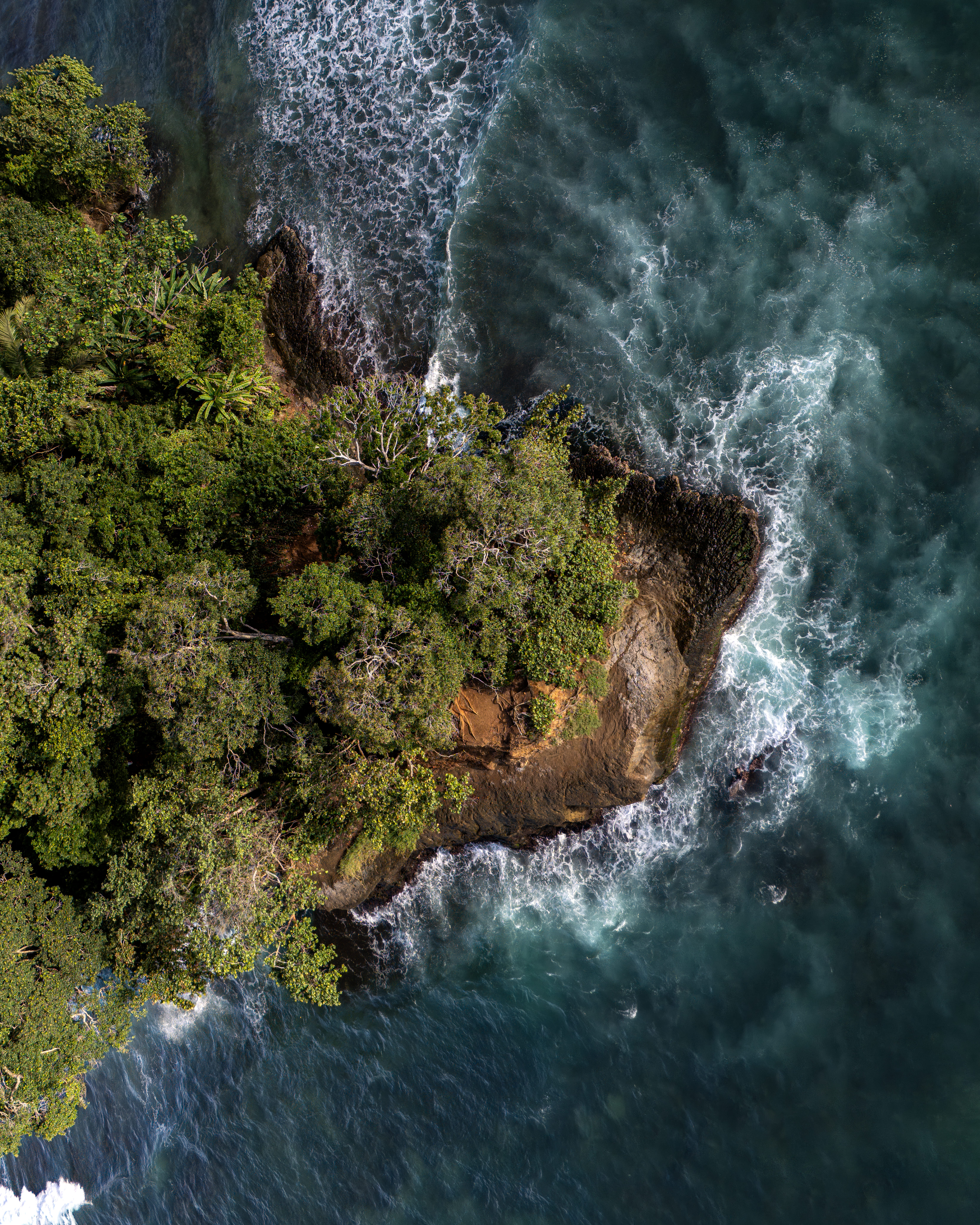
It isn't a single sound, but several that take turns. By day, the surf and the birds dominate. As afternoon falls, the frogs come in. At night, the insects never rest. And when it rains — frequent on the South Caribbean, even outside the wettest months of the year — water on leaves and rooftops joins the mix rather than interrupting it.
That temporal nuance matters, and it rarely gets said: anyone visiting Punta Uva in search of cloudless skies may run into rain at any time of year. The rain isn't a flaw of the place; it's part of its soundtrack.
The listening post
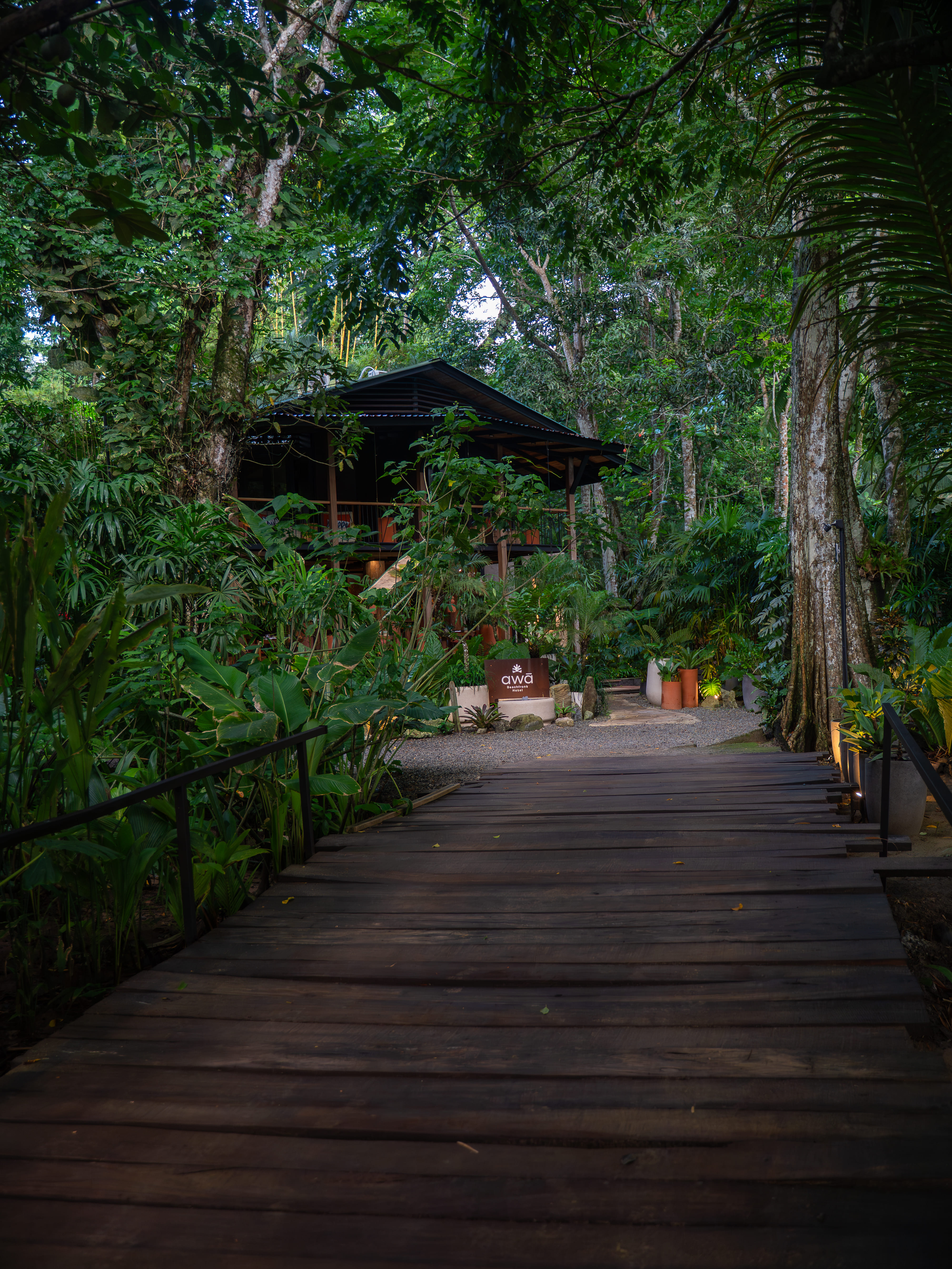
Right at the edge of the beach, tucked inside the forest, sits awā Beachfront, the hotel we based ourselves at for this story. It matters less as accommodation than as a position: being face-to-face with the sea while sitting deep in the vegetation is, in practical terms, a privileged listening post. You hear the ocean from the rooms; you hear the forest, too.
What you see (and what isn't guaranteed)
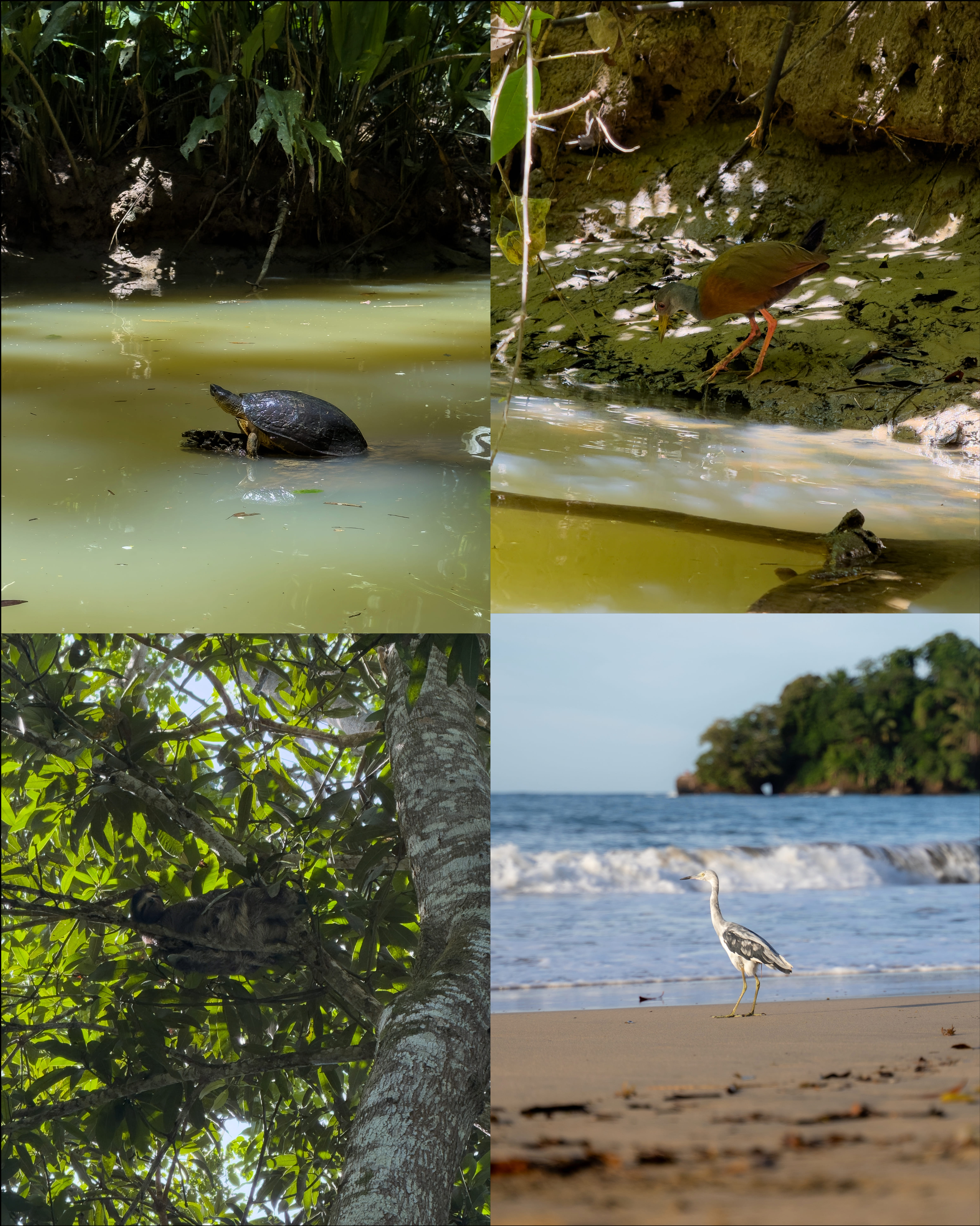
The sound comes from the sea, the frogs and the insects. The biodiversity you see is another matter: in a single day, without setting out with a specialized guide, we crossed paths with a basilisk lizard on a riverbank, a turtle sunning itself, a heron on the beach at dawn and a sloth feeding in a tree. All within the area of influence of the Gandoca-Manzanillo National Wildlife Refuge.
Worth spelling out: wildlife is not guaranteed. This is not a zoo or an aquarium. What you see depends on the day, the hour, your luck and the respect you carry with you. The only constant is the sound.
Punta Uva doesn't need to be invented. It was there before the ranking and it will be there long after. What position 41 did was put a name to something anyone can confirm in five minutes of silence: that some places are better understood through your ears than through your camera.
Place visited · Playa Punta Uva, Puerto Viejo de Talamanca, Limón