Green Season: The Costa Rica That Rains
May through November delivers peak greenery, the lowest rates and the smallest crowds in the country — along with its trickiest roads.
In Costa Rica, we call the rainless months "summer" and the rainy months "winter." The tourism industry took that habit and turned it into advice: come in the dry season, skip the rain. The catch is that high season — December to April — overlaps with the months when much of the country is, quite literally, less green.1
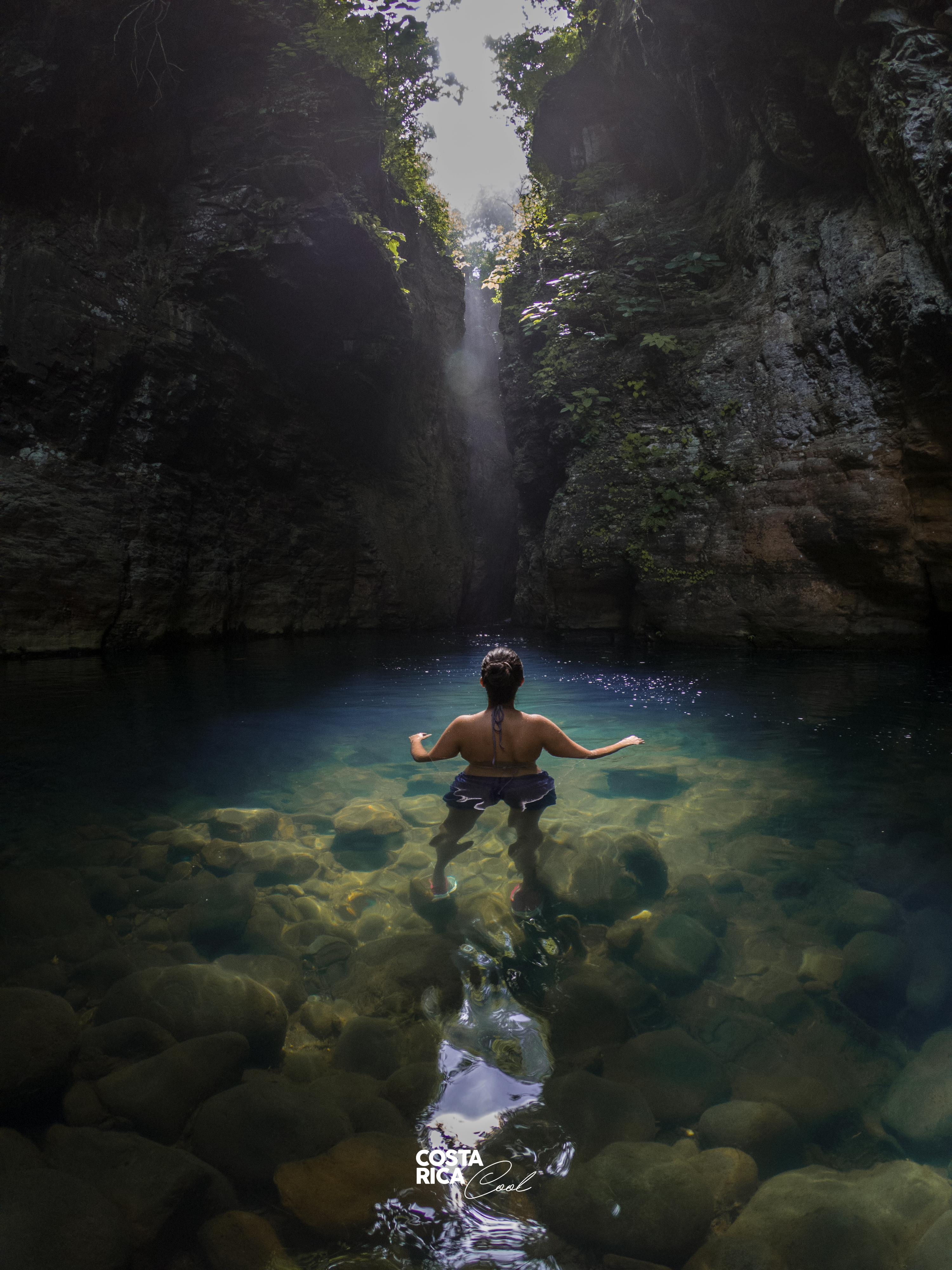
We call the dry season "summer." But the real green arrives with the rain.
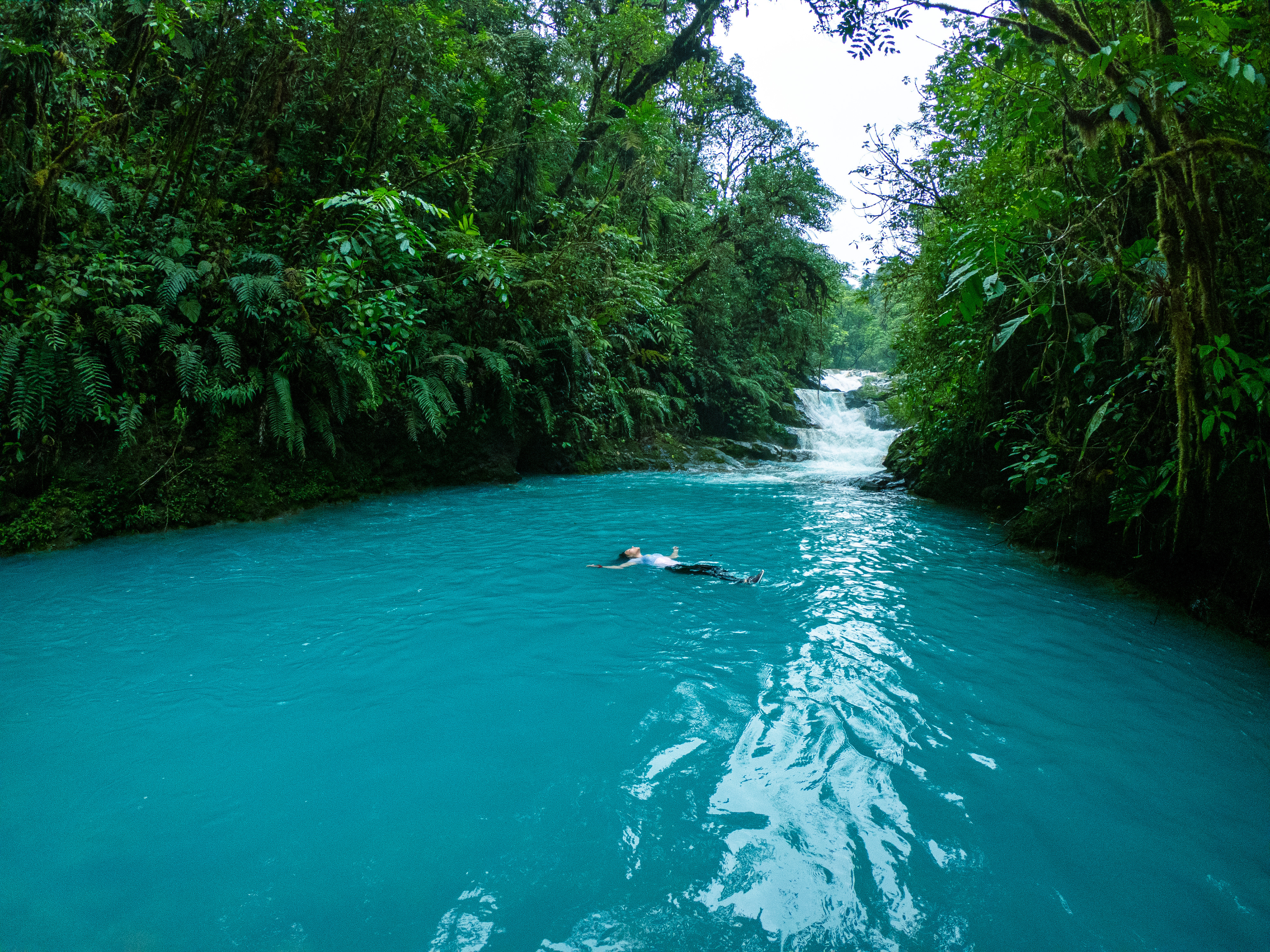
The green arrives with the rain
On the Pacific slope, the dry season runs from December to March, and the rainy season stretches roughly six months, from May to November.1
That shift isn't just about humidity — it's about landscape. In Guanacaste and the North Pacific, the tropical dry forest is deciduous. During the dry season, most of its trees drop their leaves to conserve water, and the hillsides turn brown. With the first rains, everything turns green again.2 A note on precision: within that same forest, evergreen species also thrive, so it doesn't defoliate completely — but the seasonal contrast is real and visible.
Not every region changes the same way
The dramatic re-greening happens mostly in the dry northwest. The Caribbean, the Osa Peninsula and the South Pacific are perennially humid rainforests: green year-round, with no marked dry season.1 Saying "Costa Rica turns green in May" is therefore a regional truth, not a national one. The honest version names the place.
What you gain
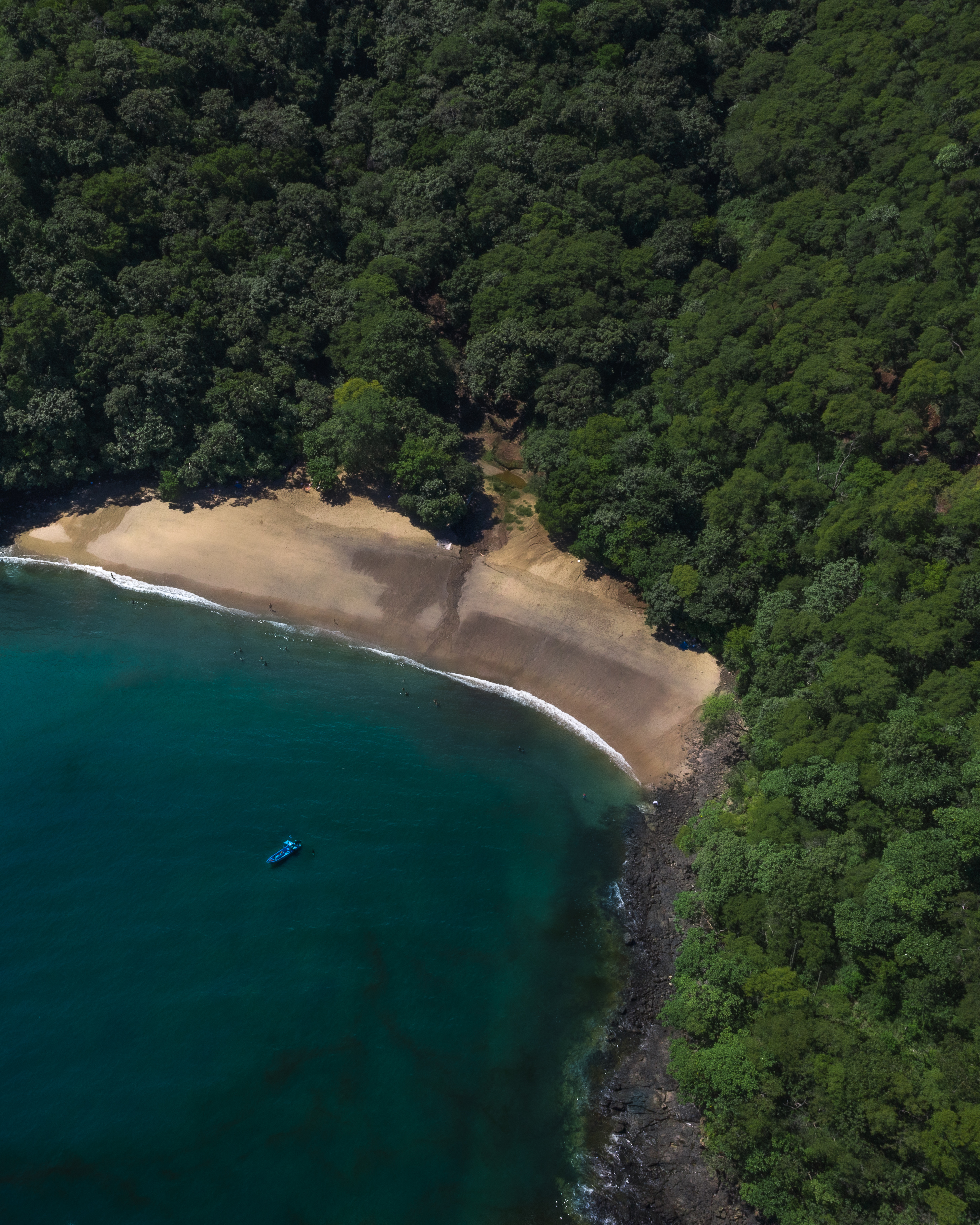
Between May and November, vegetation reaches peak density in forests and on hillsides. Lodging and tour rates drop compared to the dry season — the exact percentage varies by region and operator and is worth confirming case by case — and visitor pressure eases across nearly the entire country.
The day also follows a workable pattern: rain tends to concentrate in the afternoon hours, leaving mornings clear for getting around. And the rain switches the ecosystem on: rivers swell, amphibians call, the forest comes alive.
The real cost
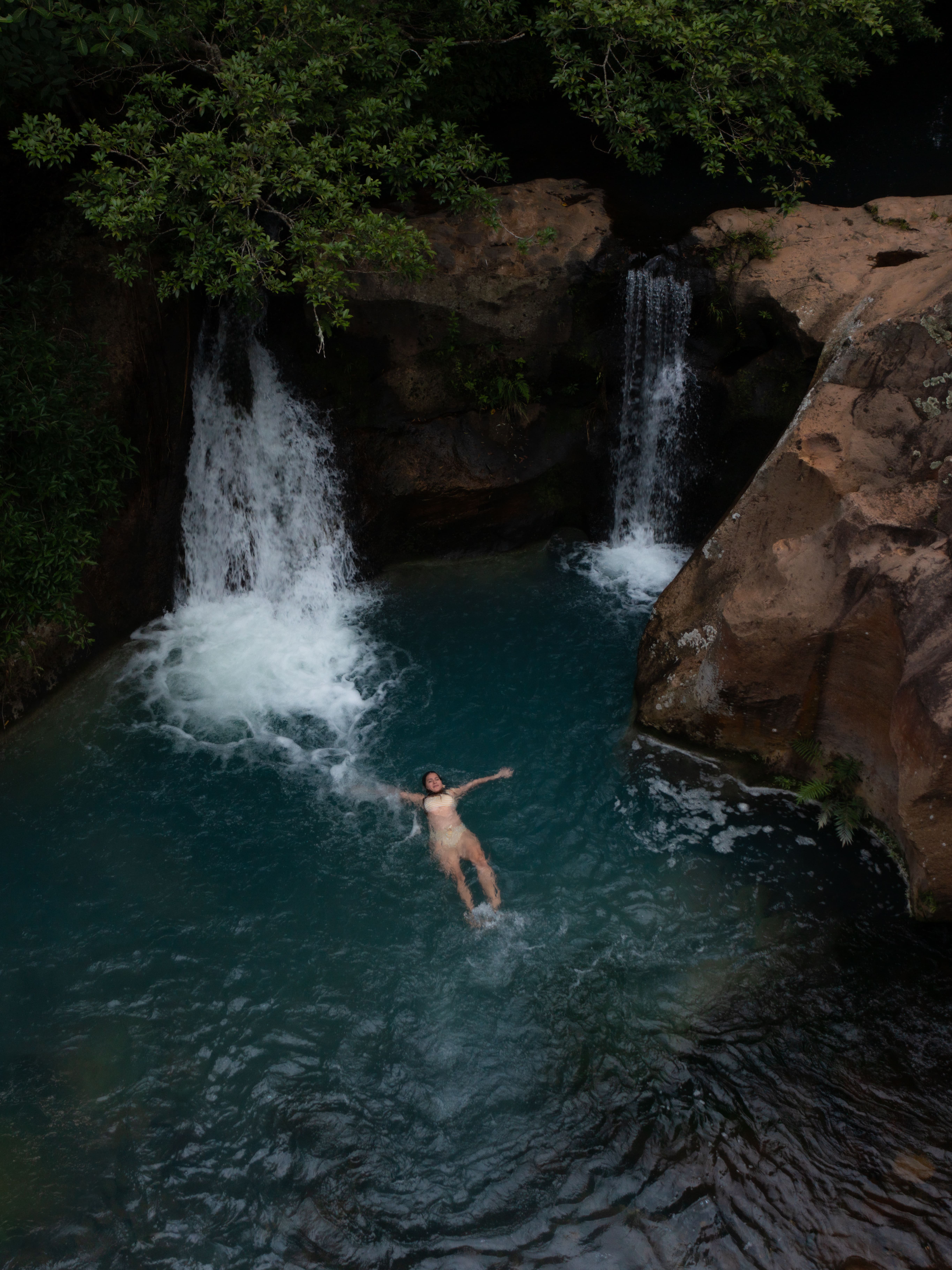
It isn't all upside. The roads get complicated: mud, swollen rivers, backcountry tracks that demand a 4x4. September and October are the wettest months on the Pacific slope and the toughest for moving around; some access routes turn fragile.1 It's not an insurmountable obstacle, but it calls for planning and, at times, a different kind of vehicle. One more nuance: June, July and August aren't as cheap or as empty as the idea of "low season" suggests, because they overlap with the Northern Hemisphere's summer holidays.
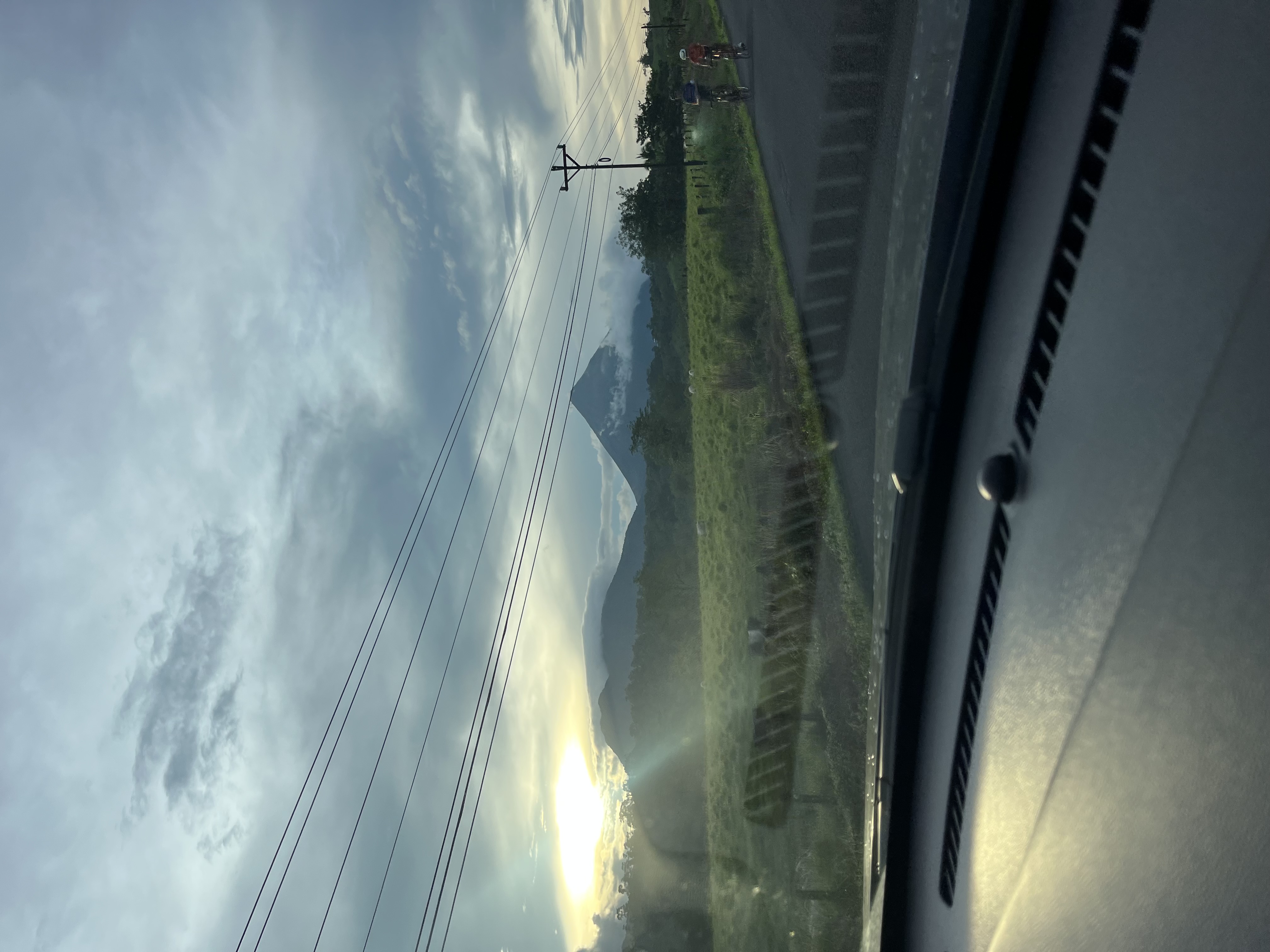
The play
The green season isn't a single territory: it's a map of windows. When the Pacific is drowning in September and October, the South Caribbean is going through one of its driest stretches of the year and hitting its prime.1 Starting early, building in margin and reading the geography region by region turns the "bad season" into the best decision of the year.
The greenest Costa Rica — the postcard one — isn't the dry-summer version. It's the one that rains. You just have to know how to move through it.